
Wangari Maathai's Divorce
The scandalous separation that somehow landed her in jail
Author
Author
In 1966, Wangari Maathai returned from the United States having completed her Masters ready to begin work in the development of the young country. She had lost an opportunity to bias against her gender and ethnicity but still found work as a research assistant in Nairobi University’s department of Veterinary Anatomy.
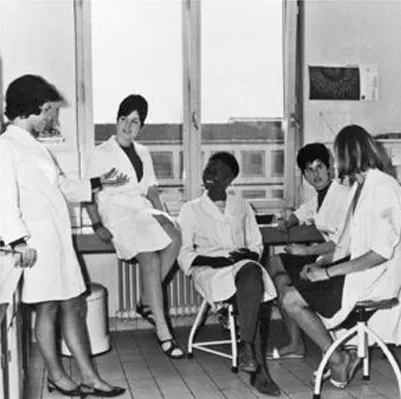
At the same time, she was being courted by a young man by the name Mwangi Mathai who, like her, had studied in the states. Thanks to his business acumen, he helped Wangari’s sisters establish and maintain a shop in Eastleigh. They soon got engaged. Before they made any marriage plans however, the German Professor she was working under told her about an opportunity to study in Germany. In 1967, she took the chance using it to carry out most of her Ph.D. research.
She had learnt German while studying in America which allowed her to blend in, while in Germany. Although she missed home, she was in no great rush to return relishing her time as a single woman there. In retrospect, it would be the last period of her life she would spend without a husband and children so she was prudent to make the most of it. While she was away, Mwangi sent anxious letters urging her back for them to finally get married and start a family.
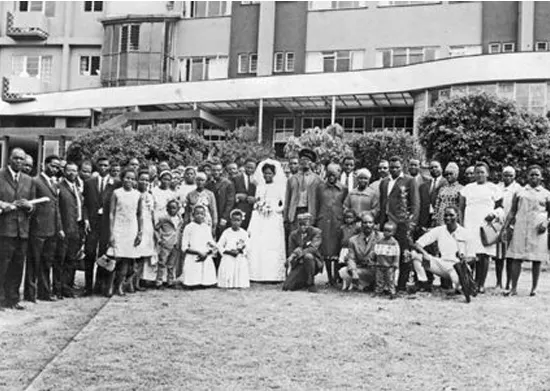
In 1969, she finally heeded the call. After settling into her role as an assistant lecturer in UON, she wed Mwangi in two beautiful ceremonies commensurate with the duality of their lives. One was traditional, at her father’s farm in Nakuru. The other was an elegant English style wedding.
From the onset, Wangari’s marriage was rocked by what seemed like trivial conflicts that would have a great bearing on future events. For instance, she was reluctant to adopt her husbands surname, Mathai. Not only did she have important documents in her original surname, the practice of adopting a husband’s surname was a European invention. Yet, it was being done by the rising class of elites in the young country’s metropoles. She went through with it however. She dropped her maiden name altogether and went as far as registering all but one of her properties in her husbands name; a mistake she would come to rue in the nick of time.
The tenets of their marriage would soon be tested as Mwangi had decided to vie for the Parliamentary seat for Langata in the forthcoming elections. In those days, the politician’s own home was a campaign arena as many strategy meetings and social calls aimed at building popularity would be held in the house. This required Wangari to play the role of a wife as per African traditions.
Discussion
2 comments · Replies from Author appear in thread.
Give me your feedback and reviews
Nice article, can wait for more