
Wangu wa Makeri—Colonial Headman and Iron Lady
Wangu wa Makeri
Author
Author
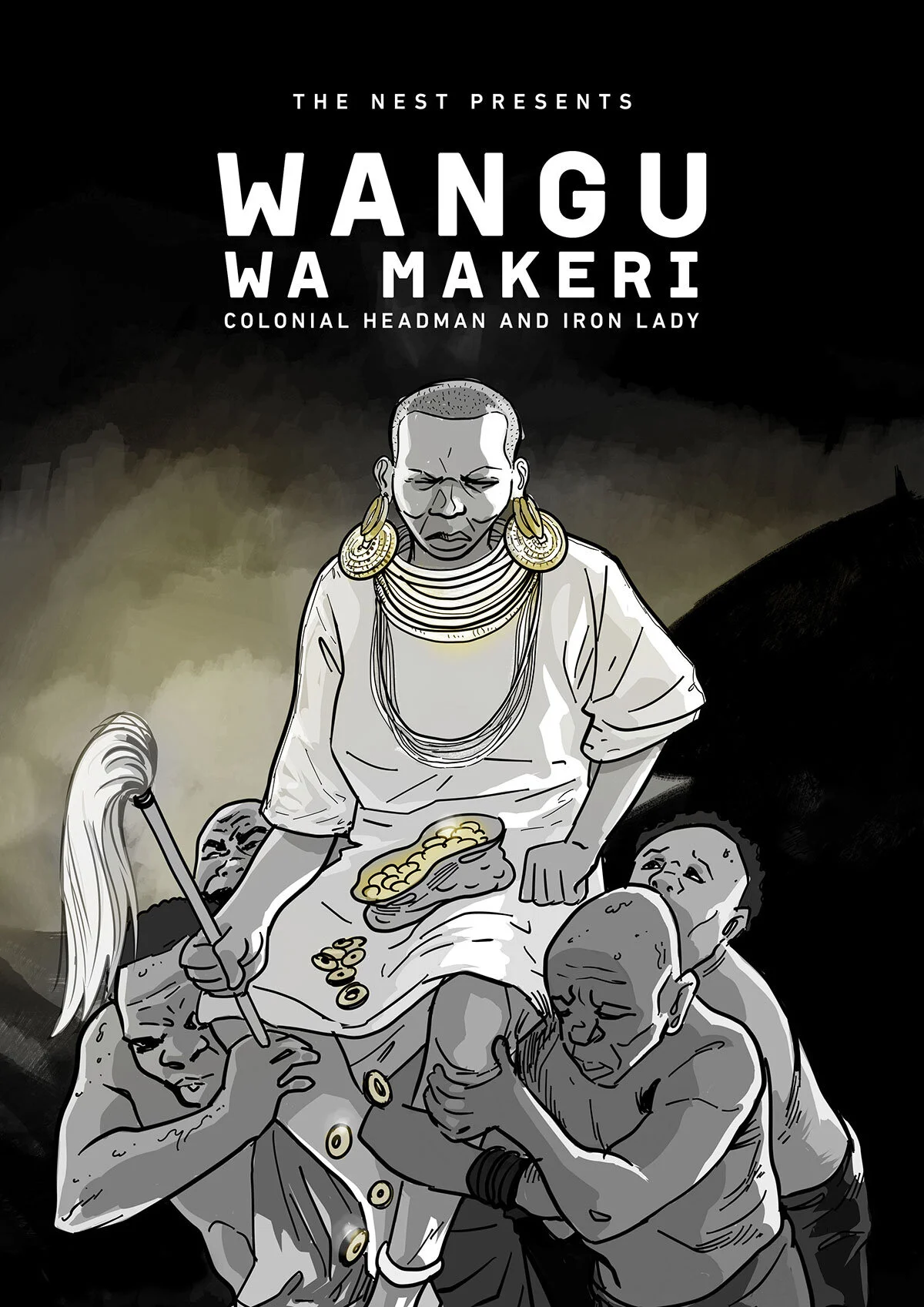
Wangũ Wa Makeri was born around 1856 in Gitie village, Kangema division, Murang'a. She was the daughter of Gatuika Macharia and Wakeru of Ndorobo descent from the Ethaga clan. Due to the lack of formal education, she worked as a labourer at her parent's farm.
There, she met her husband, Makeri wa Mbogo, with whom they raised six children in Koimbi village in Muran'ga.
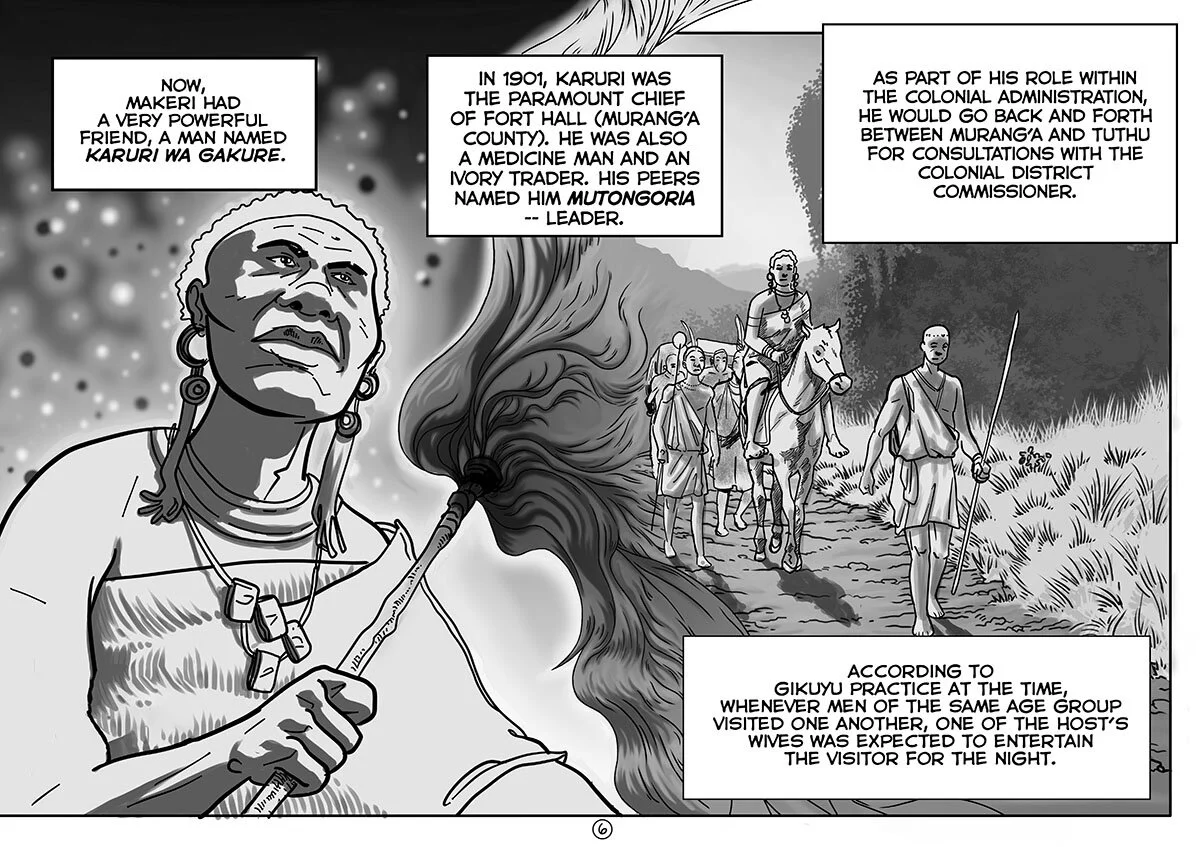
She entered into a relationship with the paramount chief of Fort Hall (present-day Murang'a), Karuri wa Gakure, who had 60 wives and stayed with her family whenever he stopped by their village. When her husband learnt about the relationship, he was offered the position of headman by Karuri in an attempt to appease him, but he declined. The position was then offered to Wangu, who accepted it in 1902. This position of headman was reserved for men, and Wangu became the first and only female leader of the Agikuyu during the British Colonial period.
The previous year(1901), the railway construction had reached Kisumu, and the British redrew East Africa's boundaries. The British began a taxation system for its new subjects to fund these initiatives. Paramount chiefs like Karuri were appointed to help collect the money, and headmen such as Wangu assisted them by acting as the grassroots agents in the administrative structure.
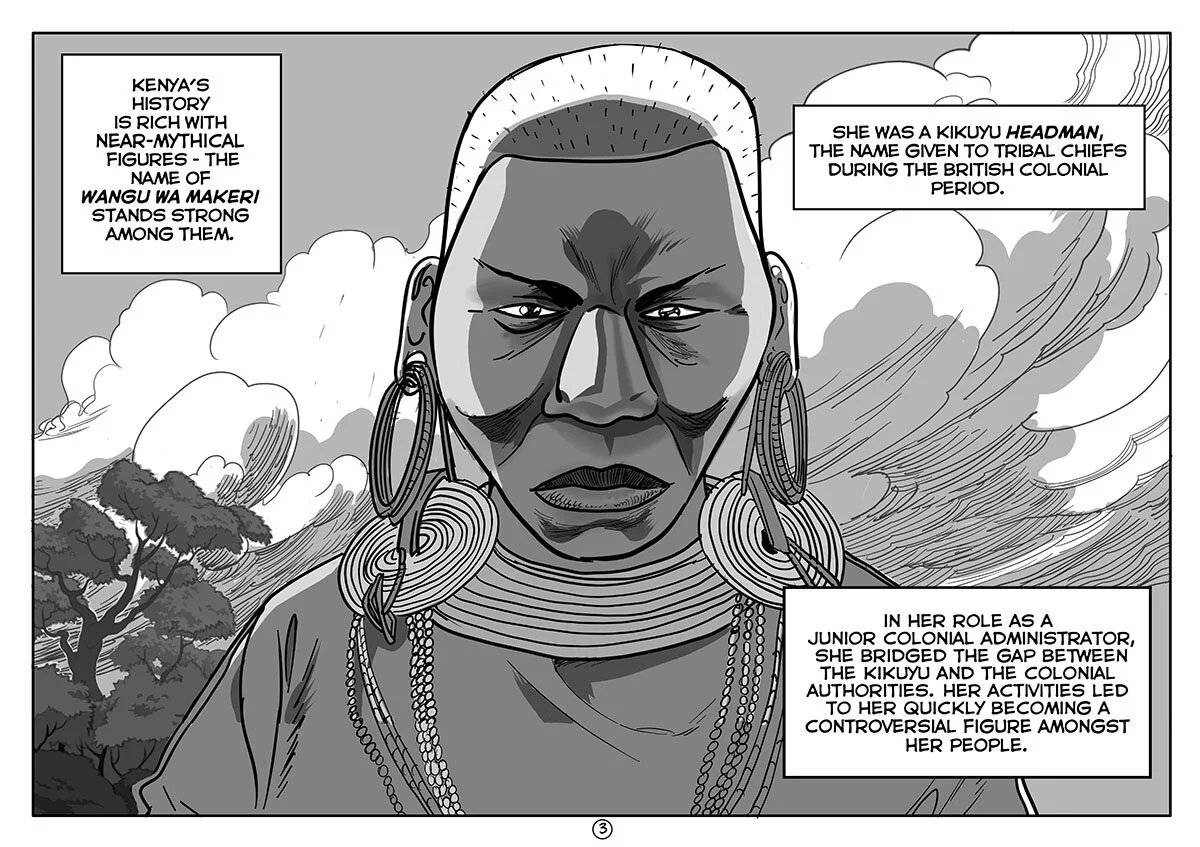
Wangu's tasks as headman involved collecting taxes, brokering peace in the community and communicating the colonial rules to the people. She was considered harsh and authoritarian in how she intimidated tax evaders and subjected them to solitary confinement. Wangu always sat on the back of her offenders while they knelt before her in submission, suffering ridicule and humiliation from their neighbours.
Her downfall came when she joined men in a dance called kibata naked, which was reserved for men and not even moving near the male dancers was allowed. It is alleged that when Wangu saw Karuri wa Gakuri dancing, she stood up, flung herself on the dance floor and began to dance vigorously, exposing her breasts and thighs. Her dishonourable dance soon became a subject of discussion among the people she ruled, and in June 1909, Wangu was forced to resign.
Even though many view her as a ruthless leader, Wangu is celebrated for fighting for and earning her respect in a male-dominated society and proving that women can be leaders.
Wangu wa Makeri’s exploits were documented as part of colonial record due to her role as a village headman serving the British regime. We chose to explore her story because she is both compelling and difficult. In her role as the quintessential reference for women who are ‘too much’—who behave badly, and who are too public about liking and wielding power—the nuances of her personal life are often missed with the understandable focus on her character flaws and very public fall from grace.
Wangu is very easy to dislike as a story character, considering the ways in which women are expected to be pleasant, well mannered, beyond moral reproach, yielding and submissive. She was however a functional headman, for all intents and purposes, in as far as wielding power and collecting taxes. That can never be read as a good thing, especially by a people suffering the violence of colonisation. And yet, Karuri wa Gakure in history, who literally recruited her for this job and amassed wealth and influence because of his relations with the British, retains a name that Wangu does not.
Discussion
Be the first to leave a comment. · Replies from Author appear in thread.